Toutes les videos
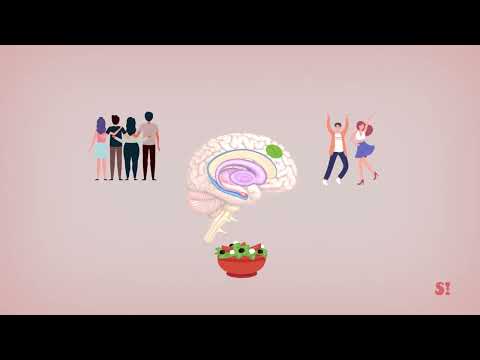
Psychoactive Substances and Addiction
- Reference Study
- Conrod, P., Stewart, S. H., Seguin, J., Pihl, R., Masse, B., Spinney, S., & Lynch, S. (2025). Five-Year Outcomes of a School-Based Personality-Focused Prevention Program on Adolescent Substance Use Disorder: A Cluster Randomized Trial. American Journal of Psychiatry, 182(5), 473–482. https://doi.org/10.1176/appi.ajp.20240042
- Why it matters
Adolescent addiction remains a major public health issue in Canada, affecting approximately 9% of youth each year. This study demonstrates that early, personality-targeted prevention can significantly reduce this risk. - Approach
The study was conducted in 31 schools across the Montréal region using the PreVenture program, which tailors its tools to four personality traits associated with vulnerability: impulsivity, sensation-seeking, anxiety sensitivity, and hopelessness. - Prevention in action
Just two interactive sessions are enough to help students better manage their emotions and behaviors, thereby reducing their likelihood of using substances as a coping strategy. - Results
Over five years, the program reduced the progression of substance use disorders by 35% compared to control schools. - Key takeaway
By the end of high school, students who participated in the program had a significantly lower risk of developing an addiction.
2. Cannabis
Giguère, S., Beaudoin, M., Dellazizzo, L., Phraxayavong, K., Potvin, S., & Dumais, A. (2024). Avatar Intervention in Virtual Reality for Cannabis Use Disorder in Individuals With Severe Mental Disorders. JMIR Mental Health, 11, e58499. https://mental.jmir.org/2024/1/e58499
Why is this important?
Cannabis worsens symptoms in individuals with severe mental disorders, and standard therapies tend to be less effective for this population. This study tests a radically different approach.
Approach
Thirty two participants with cannabis use disorder and a severe mental disorder received a virtual reality based therapy. They interacted with an avatar representing someone connected to their substance use, controlled in real time by a therapist.
Intervention in practice
Immersed in virtual environments such as a bar, apartment, or park, participants practiced resisting cravings and managing emotions in a safe setting that closely replicates real life situations.
Results
Over one year, cannabis consumption decreased significantly and durably, confirmed by urine analyses. Quality of life and psychiatric symptoms also improved.
Key finding
Twelve months after the end of the intervention, the benefits were still present, with no shift toward other substance use. For more information: https://interventions-avatar.ca/
My STUPÉFIANTE study!
My doctoral research focuses on the effects of cannabis on the brain in individuals with psychotic disorders. We are following 55 individuals with a psychotic disorder over two years. Results will be available in 2027.
To watch my “Thesis in 180 seconds”: https://www.youtube.com/live/_TvTcRrW4lg?si=RcCsQo-Nu4ckXM9Y (Timecode: 30 minutes 18 seconds)